How Traditional East Asian Aesthetics Shape My Work
Dec 3, 2025
Living in Japan has reshaped my way of seeing, creating, and understanding visual culture. This article reflects on how traditional Japanese aesthetics, cultural nuances, and cross-cultural experiences influence my work as a French graphic designer based in Japan.
Drawing Inspiration from Traditional Japanese Aesthetics
As a French designer living in Japan, I find myself uniquely positioned to draw inspiration from traditional aesthetics. Unlike locals who may take their cultural surroundings for granted, my perspective offers a fresh lens through which to appreciate and derive creativity from the rich tapestry of Japanese tradition.
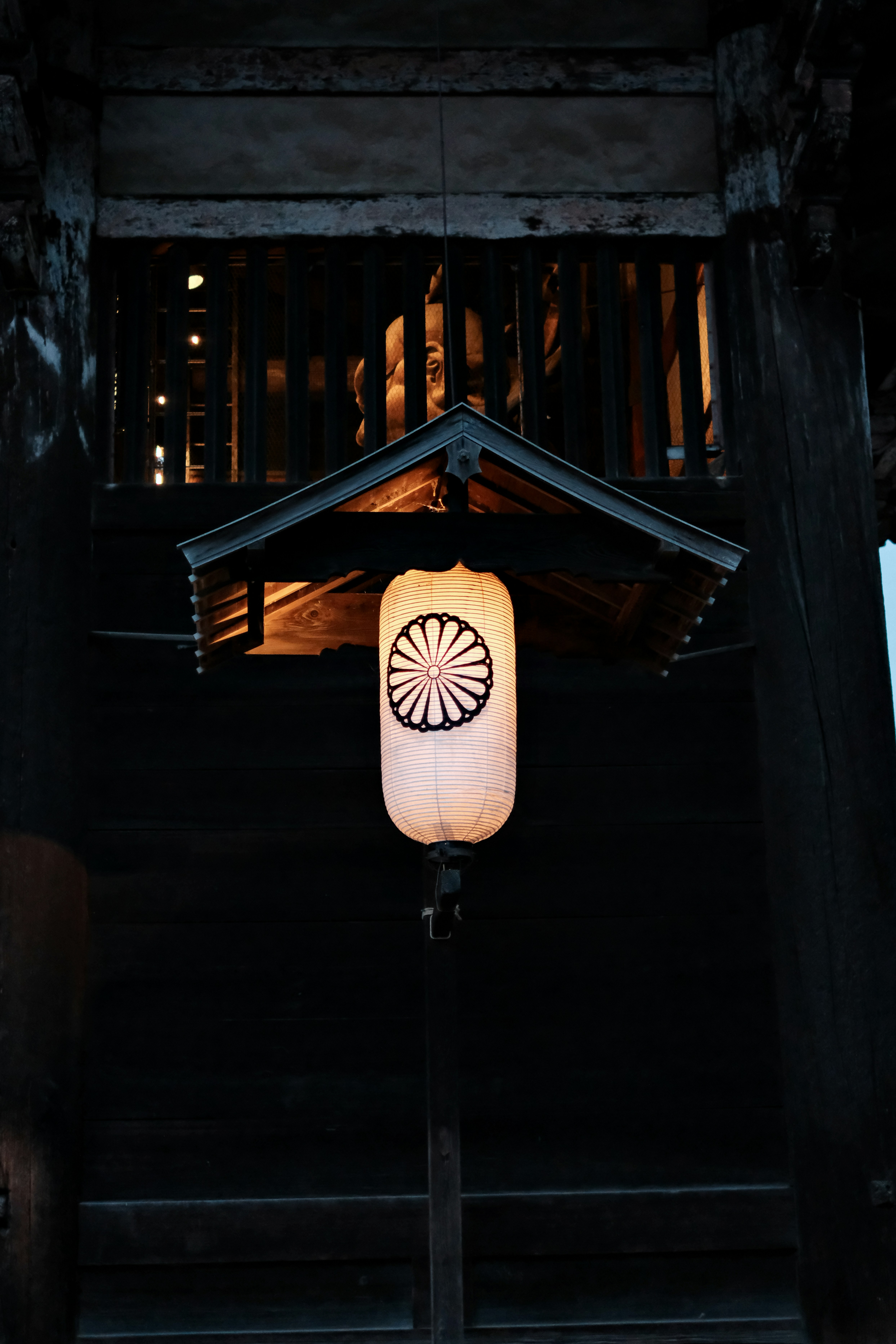
I am particularly intrigued by the details found in daily elements that might otherwise go unnoticed by those who grew up in this culture. Whether it's the elegant simplicity of kamon crests, the architectural marvels of shrines, or the subtle nuances of Japanese typography, each facet of traditional aesthetics captivates my imagination and informs my design sensibilities.
Moreover, I draw significant inspiration from Japanese retro graphic posters, admiring the works of masters like Tadanori Yokoo and Kazumasa Nagai. Their ability to blend traditional elements with modern yet simple shapes resonates deeply with me.
Therefore, I endeavor to maintain a delicate balance in my sensitivity to Japanese aesthetics, avoiding clichés or exaggerations. My aim is to capture the genuine attention of the Japanese audience rather than conforming to foreign perceptions of Japan. This approach has become central to my practice as a graphic designer in Japan.
Incorporating Japanese Cultural Elements to Transcend Language Barriers
Design serves as a powerful tool to transcend language barriers. I came to this realization upon my arrival in Japan as a recent graduate, where my portfolio became my primary means of communication.
Initially, I already incorporated a few Japanese elements into my work, yet it was the European essence that interested my audience. Over time, through immersion in daily life, I naturally began to grasp the nuances of shaping designs that deeply resonate with Japanese sensibilities.
For example, the circle shape, deeply ingrained in Japanese culture, became a prominent feature in my creations. Additionally, drawing inspiration from the two-dimensional plan compositions found in traditional ukiyo-e art further enriched my approach.
Rather than erasing my European background, I embrace its coexistence with my newfound cultural understanding. This blend of influences forms the basis of my cross-cultural design approach.
How Basic Design Elements Vary Across Cultural Contexts
I firmly believe that our cultural background inevitably influences our worldview, regardless of our efforts to broaden our perspectives. Consequently, when incorporating shapes into creations, they often hold varied interpretations for different viewers.
For instance, the circle: in Japan, it carries profound and noble symbolism, not only because of its representation on the national flag, but also by serving as the foundational shape for traditional emblems, reflecting a preference for symmetry and balance. In contrast, in France, circles lack such heavy symbolism and are predominantly appreciated for their geometric qualities.
Moreover, the significance of lines cannot be overstated in Asian culture, serving as fundamental elements in their writing system. The number and direction of lines in each kanji carry intrinsic meaning. Asian calligraphy, characterized by its emphasis on straight lines, stands in contrast to the flowing nature of the Latin alphabet.
These differences naturally influence how we interpret points, lines, and planes in design across cultures.
Balancing Traditional and Modern Elements in Contemporary Design
I'm uncertain whether merging diverse cultural elements qualifies as innovation, but it undoubtedly reflects our modern globalized society. Much like the increasingly blended nature of populations, who continuously intertwine and imbue their cultural essence into one another, the design field now draws influence from myriad sources.
In my creative process, I find value in maintaining a connection to traditional aesthetics. Ancient craftsmanship provides a solid basis for design, fostering a meaningful connection with viewers. As such, I aim to subtly incorporate these traditional elements while predominantly infusing my work with a modern sense.
This balance is achieved through the strategic use of minimalist, graphical, and geometrical elements, which are characteristic of our digitalized times. It is a way for me to create unique and contemporary works while respecting the cultural depth that shapes them.
Working at the intersection of French and Japanese cultures has become a defining strength in my design practice. By observing everyday details, embracing cultural contrasts, and finding balance between tradition and modernity, I continue to shape a visual language that reflects both where I come from and where I live today.
I’m Josephine Grenier, a French Art Director and Graphic Designer based in Japan. I help brands bridge cultures through meaningful, elegant, and visually distinctive design. If you’re curious about my work, feel free to subscribe to my newsletter, or get in touch, I’d love to connect.